


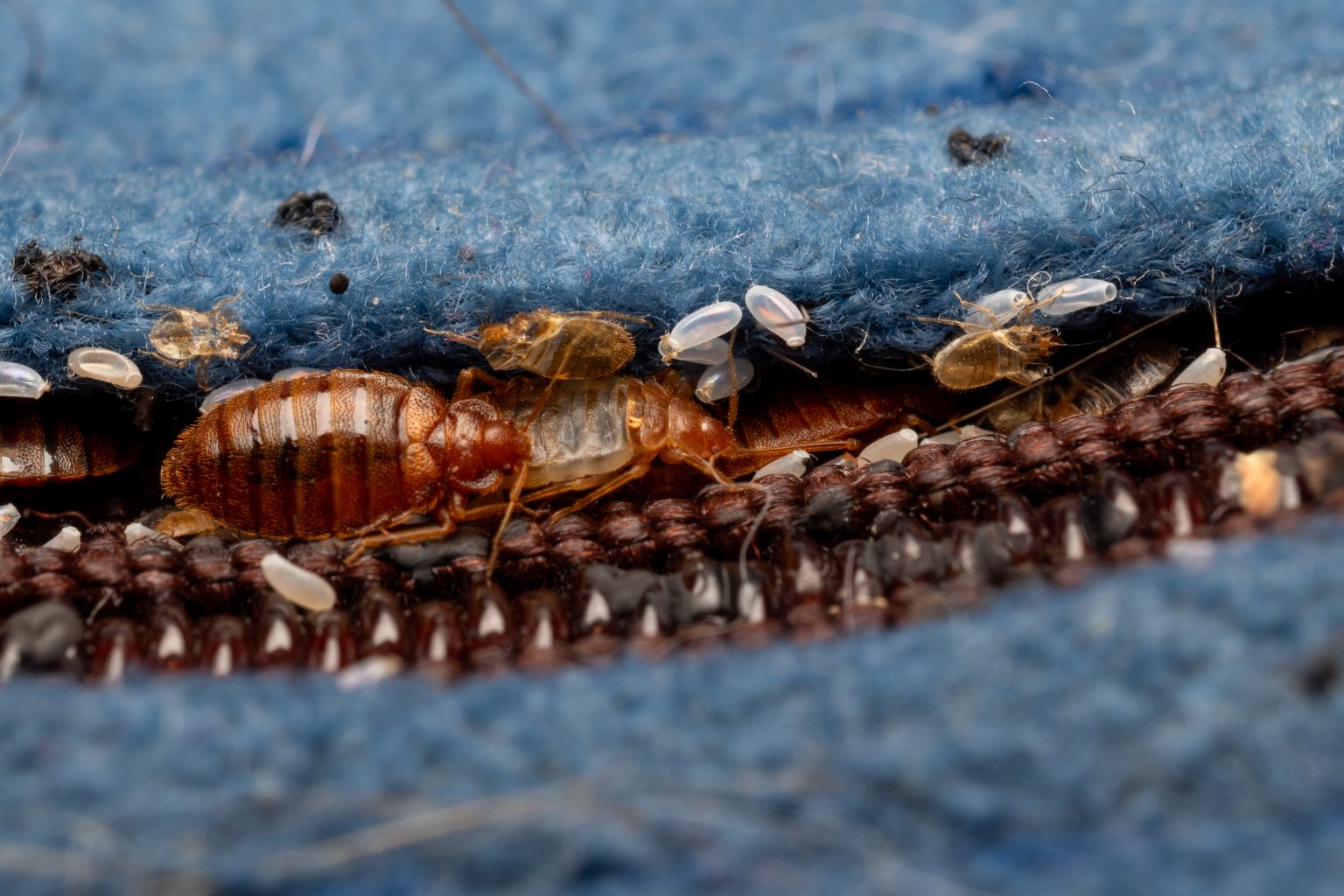
Read This Before You Reach for a Steam Cleaner for Bed Bugs
Using a steam cleaner for bed bugs sounds like a safe, natural fix. In reality, steam often makes the problem worse. It can scatter bugs into new rooms, leave eggs untouched, and create damp hiding spots that help survivors rebound. If you want a home that is truly protected, you need a plan that does more than blast hot vapor. In this guide, you will learn why steam spreads infestations, when steam can help, what solutions work better, and how Marathon Carpet Cleaning supports a clean, healthy space after effective bed bug control.
How Steam Kills Bed Bugs, and Why It So Often Fails
Steam kills by heat. Adult bed bugs can die at around 122 degrees Fahrenheit when exposed for long enough. Eggs can require even higher temperatures and longer contact. On paper, a steam cleaner for bed bugs should work. In practice, the heat does not always reach the pests or stay hot long enough to be lethal. Here is why.
Steam Loses Heat Fast
Heat falls off quickly as steam leaves the nozzle. Fabrics, seams, and foam act like insulation. If you move the tool even a few inches from the surface, the temperature can drop below lethal levels in seconds. That short exposure stuns bugs but does not kill them. Stunned bed bugs often crawl away and hide deeper in cracks, wall voids, and furniture joints.
Air Movement Pushes Bugs Into New Hiding Places
Steam comes with airflow. That puff of pressure can push live bed bugs and eggs into tiny gaps, behind baseboards, inside box springs, and under flooring transitions. The result is more spread and more places to treat later. If you aim a steam cleaner for bed bugs at a mattress seam or couch edge without sealing off escape paths, you may blow survivors into the frame or even into a nearby outlet or wall gap.
Moisture Creates Better Harborage
Many consumer steamers add a lot of moisture. Fabrics stay damp. Wood swells. Seams take longer to dry. Bed bugs like tight, undisturbed spots that offer shelter. Damp seams and swollen cracks give them more places to hide. Moisture can also risk mildew, which you do not want on mattresses, carpets, or upholstered furniture.
Eggs Often Survive DIY Steaming
Eggs are tough. They sit in protected glue-like clusters on rough surfaces and along hidden edges. Unless your pass delivers the right temperature for long enough with direct contact, eggs survive. A week or two later, new nymphs hatch and you are back to square one. This is one big reason a steam cleaner for bed bugs tends to underperform in real homes.
Inconsistent Technique Leads to Missed Spots
Effective steam treatment needs slow passes and constant temperature checks. Most people do not have a surface thermometer or a commercial-grade unit. They move too quickly, hold the tip too far, or use the wrong attachment. Gaps in coverage allow a few bugs to survive, and a few is all it takes to rebuild the infestation.
Common Mistakes When Using a Steam Cleaner for Bed Bugs
- Moving the steamer too fast, which never keeps lethal heat on a surface long enough
- Using a high-pressure jet tip that blasts bugs into cracks instead of a broad, low-pressure head
- Choosing a wet steamer over a dry vapor unit, leaving fabrics soaked and slow to dry
- Skipping temperature checks with a surface thermometer, so there is no proof of lethality
- Steaming electronics, outlets, or delicate finishes that can be damaged by moisture and heat
- Treating only the bed and forgetting bed frames, headboards, baseboards, couch frames, and luggage
- Cross-contaminating by moving items from room to room before they are properly bagged and treated
- Focusing on steam as the only tool, without encasements, interceptors, laundering, and professional treatment
When Steam Can Help, and When You Should Avoid It
Steam can play a targeted role when used by trained professionals with the right equipment. Dry vapor steamers and wide, low-pressure heads can deliver lethal temperatures to seams and edges while limiting dispersal. Even then, steam is best as a spot treatment, not a whole-home solution. Avoid steam on sensitive materials, on areas that will trap moisture, and in places where escaping bugs can scatter into wall voids. If you are not fully confident with technique and containment, skip DIY steaming.
Better Alternatives to a Steam Cleaner for Bed Bugs
You do not need to go it alone. A proven plan reduces spread and speeds elimination. Here are safer steps to take right away.
Confirm the Problem First
- Look for live bugs, cast skins, and dark fecal spots on seams and edges of mattresses, box springs, headboards, and sofas
- Use bed bug interceptors under each bed leg to monitor activity and help isolate the bed
- Avoid moving items between rooms until you have a plan
Isolate the Bed and Seating
- Install quality mattress and box spring encasements rated for bed bugs
- Pull beds and sofas a few inches from walls and do not let bedding touch the floor
- Add interceptors to all furniture legs in sleeping and lounge areas
Launder and Heat-Dry Textiles
- Wash bedding, clothing, and washable fabrics on hot
- Dry on high heat for at least 30 minutes after items reach full temperature
- Bag clean items in sealed bags or bins until the infestation is resolved
Vacuum Correctly
- Use a vacuum with a crevice tool to remove visible bugs, skins, and debris from seams and edges
- Dispose of vacuum bags in sealed trash bags outside the home after every session
- Go slow and focus on tufts, buttons, and cracks in furniture frames
Call a Licensed Pest Professional
- Ask about whole-room heat treatment or a multi-visit insecticide plan tailored to your home
- Choose providers who combine monitoring, follow-up inspections, and clutter management guidance
- Coordinate prep steps to avoid moving or discarding items that can be safely treated
Seal and Declutter
- Reduce hiding spots by sealing cracks around baseboards, bed frames, and closet shelving
- Keep nightstands and floors around beds clear so monitoring works and treatments reach target areas
- Use smooth plastic bins with tight lids rather than fabric storage
How Marathon Carpet Cleaning Supports a Bed Bug Recovery Plan
Marathon Carpet Cleaning does not exterminate bed bugs. We do help homeowners and businesses return rooms to a clean, fresh state after effective pest control. Our certified team serves southeast Wisconsin and northeast Illinois from locations in Racine and Union Grove. We deliver deep cleaning for carpets, hard floors, and upholstery, and we back our work with a 100 percent satisfaction guarantee. If you have had a bed bug treatment or you are preparing for one, ask us how to clean without undoing your progress.
Services That Pair Well With Professional Bed Bug Control
- Carpet Cleaning: Deep extraction to remove soils, odors, and residues after pest service, including area rugs
- Hard Surface Cleaning: Tile, grout, vinyl, laminate, and hardwood cleaning to lift embedded grime and help restore appearance
- Upholstery Cleaning: Couches, chairs, and mattresses cleaned to remove oils, stains, and light odors so spaces feel fresh again
- Commercial Cleaning: Office, retail, and apartment common area cleaning to support a healthy environment and reduce complaints
- On-Site Consultations: Guidance on cleaning order, timing after pest treatment, and ways to avoid cross-contamination during prep
Local Experts You Can Call Today
Marathon Carpet Cleaning proudly serves Racine, Union Grove, Burlington, Waterford, Sturtevant, Mount Pleasant, Caledonia, Kenosha, and nearby southeast Wisconsin communities. We also work across northeast Illinois, including Antioch, Gurnee, Waukegan, and more. Our technicians use industry-leading equipment and proven products to protect the look and lifespan of your carpets, hard floors, and furniture.
Why a Steam Cleaner for Bed Bugs Often Spreads the Problem
If you are wondering why steam gets such mixed reviews, consider these practical roadblocks. The pests hide in narrow gaps where steam cannot reach without disassembly. The right lethal temperature is difficult to maintain across thick materials, especially when you do not have a commercial unit. Consumer steamers push a lot of humid air, which drives survivors deeper and wets everything around them. Each of these factors works against the results you need. This is why pros use steam sparingly and rely on containment, heat treatments, and carefully chosen insecticides to finish the job.
FAQ: Your Top Questions About Steam and Bed Bugs
Does steam kill bed bugs?
Yes, high heat can kill bed bugs and eggs on direct contact. The challenge is keeping surfaces hot enough, long enough, and in the exact spots where bugs and eggs are hiding. Most DIY attempts fall short and spread the infestation instead.
Will a steam cleaner for bed bugs solve the problem on its own?
No. Steam should not be your only tool. At best, it is a supplemental tactic for limited areas when applied by a trained hand. For reliable results, combine professional treatment with encasements, interceptors, laundry protocols, and careful vacuuming.
How hot does it need to be?
Adults can die around 122 degrees Fahrenheit with enough exposure time. Eggs need even more. In the real world, achieving and holding those temps across seams and thick fabrics is difficult without pro-grade equipment and technique.
Is renting a steamer a good idea?
Rental steamers often produce wetter steam and inconsistent temperatures. They also lack the right attachments and gauges. If you are not trained, you are likely to push bugs around and leave moisture behind. Avoid DIY steam unless your pest professional instructs you on a very specific task.
Can Marathon Carpet Cleaning exterminate bed bugs?
No. Marathon Carpet Cleaning focuses on cleaning. We do not apply pesticides or perform heat treatments. We work alongside your licensed pest control provider to clean before or after treatment without spreading bugs, and to help restore comfort and appearance.
When should I schedule cleaning?
Follow your pest professional’s guidance. Many treatments allow for light cleaning within a few days and deep cleaning after the final clearance check. Marathon Carpet Cleaning can coordinate timing so you get fresh, clean carpets and upholstery without disrupting control efforts.
A Simple One-Week Action Plan
- Stop using a steam cleaner for bed bugs until you have a complete plan in place.
- Confirm activity with interceptors and a quick inspection of beds, sofas, and baseboards.
- Call a licensed pest control company for an inspection and written treatment plan.
- Install mattress and box spring encasements, and pull beds away from walls.
- Wash and heat-dry bedding and recent clothing. Seal cleaned items in bins or bags.
- Vacuum seams, tufts, and cracks with a crevice tool. Bag and discard vacuum contents outside.
- Reduce clutter near sleep and lounge areas. Avoid moving items between rooms.
- Contact Marathon Carpet Cleaning to schedule post-treatment cleaning for carpets, hard floors, and upholstery.
Why Choose Marathon Carpet Cleaning
When you are dealing with bed bugs, you need partners who make recovery easier, not harder. Marathon Carpet Cleaning brings certified technicians, top-tier equipment, and a 100 percent satisfaction guarantee to every job. From Racine to Union Grove and across southeast Wisconsin and northeast Illinois, our team helps homeowners and businesses bounce back with clean, comfortable rooms. We can coordinate with your pest pro, suggest a safe order of operations, and deliver results that look and feel great.
Final Thoughts
Steam is not the easy answer it seems. A steam cleaner for bed bugs often spreads the infestation, leaves eggs behind, and creates damp harborage that sets you back. Choose a smarter path. Confirm the problem, isolate sleeping areas, use proven methods, and bring in a licensed pest pro. When you are ready to clean and refresh your space, reach out to Marathon Carpet Cleaning for expert carpet, hard floor, and upholstery care. Call today to schedule an on-site consultation and take the next step toward a comfortable, truly clean home.