


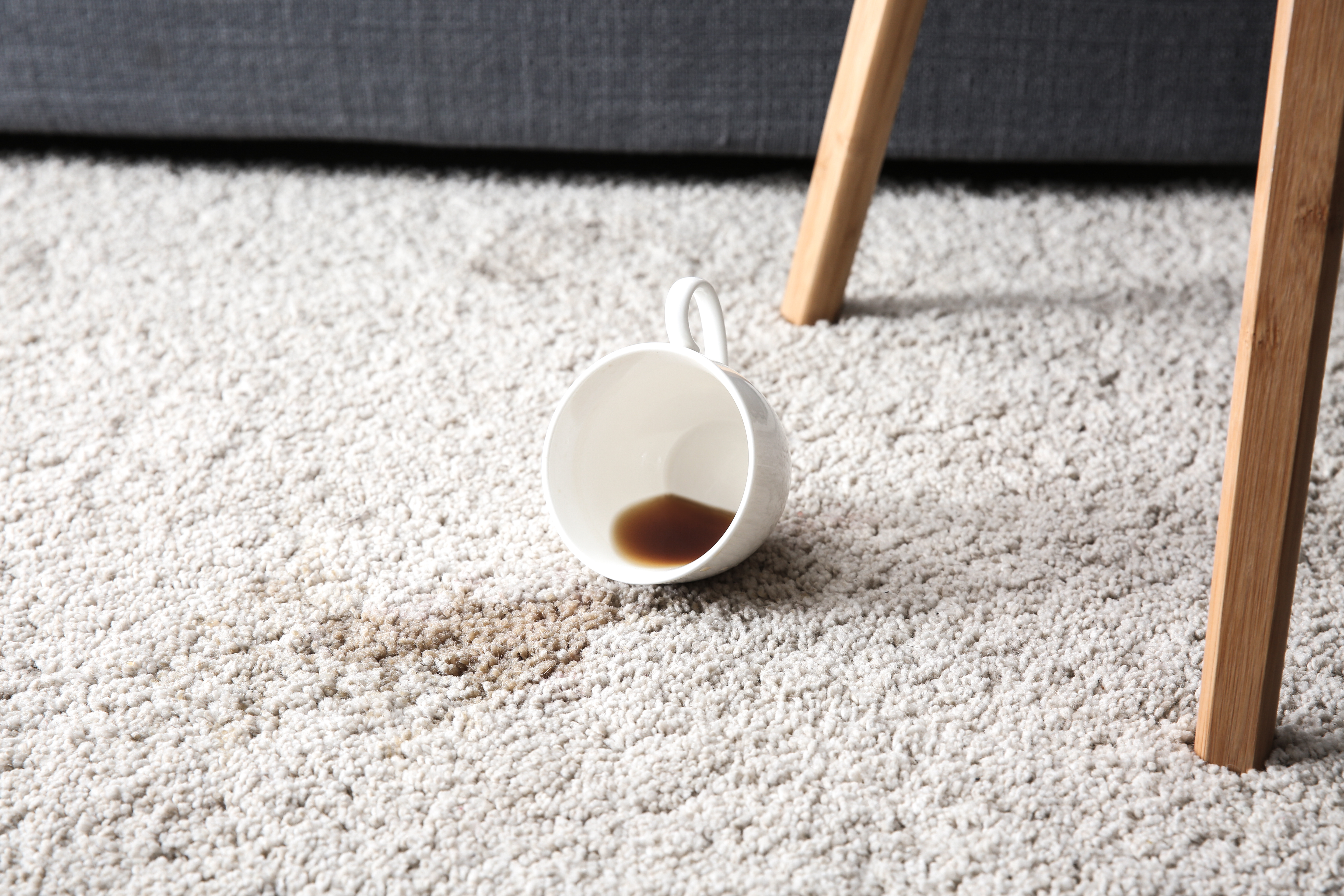
Restore Office Carpets Fast With Proven Coffee and Ink Stain Solutions
Commercial carpet cleaning coffee stains can feel urgent when a client is on the way or a big meeting starts in ten minutes. Add in a leaking pen or a toner mishap and a clean office suddenly looks tired. This guide shares simple first aid steps, deeper cleaning methods that work on real office carpets, and expert advice from Marathon Carpet Cleaning in Racine and Union Grove. If you manage facilities in southeast Wisconsin or northeast Illinois, use these tips to keep your floors looking sharp and professional.
Why Coffee and Ink Stains Are Tough on Office Carpets
What makes coffee so stubborn
Fresh coffee contains tannins and natural dyes that bond with carpet fibers. Many commercial blends also include creamers and sugars that leave sticky residue. Heat helps the stain move deeper into the pile. As time passes, the spill oxidizes and sets. That is why speed and the right pH are key for commercial carpet cleaning coffee stains.
Why ink spreads fast
Most inks use strong dyes or pigments carried by solvents. When you press or scrub, the dye migrates to clean fibers. That halo effect is common around old ink blotches. Solvents can help loosen ink, but the wrong product can delaminate backing or damage bitumen, so testing matters.
First Aid for Fresh Spills in the Workplace
Before you start
Act quickly and stay calm. Put up a caution sign if the area sees foot traffic. Wear gloves if available. Always test any cleaner on a hidden spot first. Use white towels so dye transfer does not confuse the result.
Fresh coffee spill steps
- Blot, do not rub. Use folded white towels to lift as much liquid as possible. Work from the outer edge toward the center.
- Add a splash of cool water. Lightly mist or apply a small amount to dilute sugars and tannins. Blot again with fresh towels.
- Apply a mild neutral cleaner. Use a pH neutral carpet spotter. Lightly agitate with a soft brush, then blot. Repeat as needed.
- Rinse and dry. Use a small amount of clean water to rinse. Blot until towels come up clean. Place a dry towel over the area and weigh it down for 30 minutes.
- If odor lingers, repeat light rinsing. Do not oversaturate. Carpets that stay wet too long can wick soil back to the surface.
Fresh ink spill steps
- Do not add water at first. Water can spread many inks.
- Test a solvent-based spotter. Isopropyl alcohol or a commercial ink remover is common. Test in a closet or corner.
- Apply to the towel, not the carpet. Blot gently from the edges inward. Switch to clean sections of the towel often.
- Limit the amount. Use small doses to prevent spreading. Continue until no more ink transfers to the towel.
- Rinse with a light neutral cleaner. After solvent work, use a small amount of neutral cleaner, then rinse with clean water and blot dry.
Deep Cleaning Methods That Actually Work
Commercial carpet cleaning coffee stains the right way
For set coffee stains or large spill zones, a deeper process produces better results and protects carpet warranties. Facility teams can follow this plan or request a service call from Marathon Carpet Cleaning for a guaranteed outcome.
- Dry soil removal. Vacuum thoroughly to remove loose grit that can scratch fibers during wet work.
- Precondition. Apply a tannin-targeted pre-spray with a neutral to slightly acidic pH. Allow proper dwell time based on label directions.
- Agitate lightly. Use a soft brush or a counter-rotating brush machine when available. This opens the pile and helps break the bond.
- Extract with hot water. Use a truckmount or a heated portable if you have one. A small carpet spot extractor works in a pinch. Rinse until the water looks clear.
- Address remaining shadows. Spot treat lingering areas with an oxidizing booster made for carpets. Apply carefully and watch for color loss, especially on wool.
- Rinse and neutralize. Bring the pH back to neutral to prevent rapid resoiling.
- Speed dry. Use air movers. Drying fast reduces wicking and returns the area to use sooner.
Pro method for ink stains
Ink responds best to patient work and the right solvents. Avoid generic paint thinners that can damage backing. A dedicated ink remover or alcohol based spotter is safer when used correctly.
- Identify the fiber. Nylon and polyester handle solvents better than wool. Solution dyed fibers may resist stains more but still need care.
- Pre test solvents. Apply a drop on a hidden area. Check for color change or fiber distortion.
- Blot with solvency. Apply solvent to a towel, then to the stain. Work from the outside in. Use light pressure so you avoid pushing ink deeper.
- Rinse with a neutral cleaner. After you see less transfer, switch to a neutral cleaner to remove solvent residue.
- Extract and dry. Use hot water extraction if possible. Place a dry towel and weight on the area for 30 minutes, then check.
- If a tint remains, try a reducing agent designed for dye based stains. Test first and follow label directions closely.
What to do with old, set stains
For coffee rings that keep coming back, wicking is the likely cause. Flood rinse can make this worse. Instead, apply a controlled amount of a tannin remover, lightly agitate, extract with low moisture, then use air movers. Place a dry towel with weight to block wicking as the carpet dries. For old ink dots under desk chairs, use a small amount of solvent to lift the color, then follow with a thorough rinse and pH neutralizer. When in doubt, call Marathon Carpet Cleaning for a site evaluation. Their certified team brings industry leading tools and stain specific chemistry that protects your carpet investment.
Common Mistakes to Avoid
- Scrubbing hard. This frays fibers and pushes stains deeper.
- Using too much water. Excess moisture spreads tannins and ink, then leads to wicking and odors.
- Skipping the rinse. Cleaner residue attracts soil and makes spots reappear.
- Mixing chemicals. Never blend products. It can be unsafe and damage fibers.
- Using colored towels. Dye transfer can confuse results and stain the carpet.
- Forgetting to test. Always test in a hidden area first.
- Ignoring pH. Wool and some blends dislike high pH. Neutral or slightly acidic is safer for coffee stains.
Carpet Fiber and Backing Considerations
Knowing your carpet construction helps you choose the right approach for commercial carpet cleaning coffee stains and ink marks.
- Nylon. Durable and common in offices. Handles heat and many spotters when used correctly.
- Polyester. Resists water based stains better, but oil based spills can cling. Use appropriate detergents.
- Olefin. Good stain resistance but can hold oils. Use lower heat and an appropriate pre-spray.
- Wool. Natural fiber that needs gentle, low pH solutions. Avoid strong oxidizers or high heat.
- Solution dyed fibers. Better colorfastness. Still test, but these often clean up well with the right chemistry.
- Backing and adhesive. Excess solvent can soften adhesives. Limit solvent use and follow with a thorough rinse.
Equipment Tips for Facility Teams
- White cotton towels or microfiber. You will need more than you think for blotting.
- Neutral pH spotter and a tannin remover. Keep both in the janitor closet.
- Alcohol based ink remover. Use sparingly and always test.
- Pump up sprayer. Ensures even coverage for pre-sprays.
- Soft bristle brush. Helps agitate without harming fibers.
- Portable spot extractor or wet vac. Removes soil and residue fast.
- Air movers. Speed up drying and stop wicking.
- Personal protective equipment. Gloves and eye protection when using chemicals.
How Marathon Carpet Cleaning Handles Stubborn Spills
Marathon Carpet Cleaning serves businesses in Racine, Union Grove, Burlington, Waterford, Sturtevant, Mount Pleasant, Caledonia, Kenosha, and surrounding southeast Wisconsin communities. They also help clients in northeast Illinois, including Antioch, Gurnee, Waukegan, and nearby areas. Their certified team uses industry leading equipment, tested chemistry, and careful inspection to restore commercial carpets with minimal downtime. Every job includes a 100 percent satisfaction guarantee.
When called for commercial carpet cleaning coffee stains or ink, Marathon Carpet Cleaning starts with an on site consultation. They identify fiber type, inspect backing, and measure the spill zone. Tannin removers treat coffee, tea, and soda dyes. Alcohol based spotters and specialty reducers handle ink and printer marks. For larger areas, they use heated extraction to rinse away residue and soil. They can also apply encapsulation cleaning between deep cleans to keep traffic lanes bright without disrupting office schedules. If you want longer protection, they can apply a carpet protector that helps future spills bead up for faster cleanup.
The Marathon Spotting Protocol
- Document and test. Confirm fiber, perform colorfast tests, and select the right chemistry.
- Dry extraction. Remove dry soil to prevent abrasion.
- Targeted pre-treatment. Apply the correct product for coffee tannins or ink dyes.
- Gentle agitation. Open the pile without damaging it.
- Hot water extraction. Rinse thoroughly and balance pH.
- Speed drying. Set air movers to prevent wicking and return the space to use.
- Final inspection. Walk through with the client to confirm results and share simple maintenance tips.
Preventive Maintenance for Break Rooms, Desks, and Print Areas
Small changes reduce the risk of stains and keep cleaning costs predictable. Facility managers and office teams can use these tips to stay ahead of spills.
- Place entry mats and chair mats. Capture soil before it hits the carpet and protect zones where chairs roll and pens drop.
- Set up coffee stations with trays and lids. Keep drinks in a single area and stock lids to cut spills during meetings.
- Protect printer and copier zones. Use a mat and provide towels for quick blotting.
- Stock a spill kit. Include white towels, neutral spotter, tannin remover, an ink remover, gloves, and printed steps.
- Train the team. Share a short guide on blotting and who to call. Fast action saves carpets.
- Schedule routine cleaning. Combine quarterly encapsulation with annual or semiannual hot water extraction. High traffic buildings may need more frequent service.
- Consider protector after cleaning. It helps coffee bead up and slows down dye bonding.
Frequently Asked Questions
Can I remove a coffee stain that is a month old
Yes, but it takes more care. Use a tannin remover and allow dwell time, then extract and dry quickly. Expect to repeat the process for deep stains. If the spot returns after drying, it is likely wicking. Blot again and use an air mover. When results stall, a professional like Marathon Carpet Cleaning can apply advanced oxidizers and deep extraction to finish the job.
Will vinegar remove coffee stains
Vinegar is acidic, which helps on tannins, but it is not a full cleaner and can leave residue. It also has an odor. A neutral carpet spotter paired with a tannin remover usually works better and reduces resoiling.
What is the safest way to treat ink
Start with a tested alcohol based spotter applied to a towel, then blot gently. Limit moisture and avoid scrubbing. Follow with a neutral cleaner and a light rinse. Always test in a hidden area before you begin.
Why do spots come back after cleaning
That is wicking. Moisture draws deeper soil or dyes to the surface as the carpet dries. Proper extraction, controlled moisture, and fast drying stop this. Placing a dry towel with weight after cleaning also helps.
How often should commercial carpets be professionally cleaned
Light traffic offices can schedule hot water extraction every 12 months with periodic encapsulation. Busy lobbies and break rooms may need quarterly deep cleaning. A walk through with Marathon Carpet Cleaning can set the right schedule for your building and budget.
When to Call a Professional
DIY can handle many fresh spills. Call a pro when the stain covers a large area, sits near seams, affects wool, or keeps returning. Marathon Carpet Cleaning brings certified technicians, commercial grade extraction, and stain specific chemistry that saves time and protects carpet warranties. Their team handles offices, apartment buildings, and all types of commercial spaces across Racine, Union Grove, Kenosha, and into northeast Illinois. They back every service with a 100 percent satisfaction guarantee.
Your Next Step
If you need fast help with commercial carpet cleaning coffee stains or a stubborn ink mark, schedule an on site consultation with Marathon Carpet Cleaning. Their technicians will assess fiber type, select the right method, and restore your floor with minimal disruption. Keep a simple spill kit on hand, train your team to blot first, and set a routine maintenance plan. Together, these steps make your carpets look new longer and support a clean, professional image throughout your building.
Quick Reference: Coffee and Ink Cleanup Checklist
- Blot spills fast with white towels. Do not scrub.
- For coffee, use cool water, then a neutral spotter. Rinse and dry.
- For ink, start with a tested alcohol based spotter on the towel. Blot, then neutral cleaner, then rinse.
- Extract and speed dry to prevent wicking.
- Test products in a hidden area. Watch pH on wool.
- Call Marathon Carpet Cleaning for set stains, large spill zones, or warranty sensitive carpets.
With these steps and a trusted partner like Marathon Carpet Cleaning, you can handle coffee and ink mishaps with confidence. Clean floors lift the whole space. They make a better first impression on clients and help teams feel proud of where they work. Keep this guide handy, build a basic kit, and reach out for expert help when you need it. Your carpets will thank you, and so will your schedule and budget.