

Carpet smells bad and you are not sure why? You are not alone. Some odors are more than everyday dirt. They can be signs of mold, pet accidents, spills, or even hidden leaks. In this guide, we break down the top five carpet odors, what each one usually means, and what you can do about them right now. If you need help fast, the certified team at Marathon Carpet Cleaning in Racine and Union Grove is ready with on-site consultations, industry-leading equipment, and a 100 percent satisfaction guarantee.
Why a Carpet Smells Bad in the First Place
Carpet is like a sponge for life at home and work. Fibers trap dust, hair, skin cells, pollen, and tiny spills. The pad under the carpet can hold liquid for weeks. When moisture or bacteria get involved, the result is a bad odor that regular vacuuming cannot fix. If your carpet smells bad after cleaning or on humid days, it can point to deeper issues, including mold or bacteria growth in the padding, pet urine that soaked below the surface, residue from DIY cleaners that stayed behind, slow drying after a spill or flood, and hidden water leaks near walls and baseboards. Smelly carpet is not only annoying. It can trigger allergies, headaches, and breathing issues for sensitive people. When in doubt, act quickly to stop the source and dry the area. Then consider a professional cleaning that targets the odor at its root.
The Top 5 Carpet Smells and What They Mean
1. Musty or Earthy Odor
A musty smell is the classic “damp basement” scent. If your carpet smells bad and reminds you of wet cardboard, you may be dealing with mold or mildew. This odor often shows up after a roof leak, plumbing drip, wet shoes sitting on the floor, or over-wetting from DIY shampooing. It can get stronger when the air is humid or after it rains.
- Likely cause: Moisture trapped in the carpet pad or subfloor
- Risk: Mold growth that can spread beyond the carpet
- Where you notice it: Near exterior walls, in basements, or around bathrooms and kitchens
- What to do now: Open windows if weather allows, run fans, and use a dehumidifier set around 45 percent humidity.
- Check for leaks: Look along baseboards, under sinks, and around appliances.
- Avoid more moisture: Skip steam mops or heavy DIY shampooing.
- Call a pro: Marathon Carpet Cleaning can perform moisture readings and deep extraction to remove moisture and stop the odor at the source.
2. Sour or Vinegar-Like Smell
A sour smell often means bacteria are feeding on sugary or protein-rich spills. Common culprits include spilled juice or soda, milk, sports drinks, salad dressing, or sweat and body oils. Sometimes this odor follows a DIY cleaning where too much soap was used and not rinsed out, which leaves residue that bacteria love.
- Likely cause: Food or drink spills and detergent residue
- Risk: Ongoing odor that returns after vacuuming or light cleaning
- Where you notice it: Living rooms, bedrooms, and play areas where snacks and drinks are common
- Blot, do not scrub: Use clean towels to lift as much of the spill as possible.
- Rinse lightly: Use a small amount of clean water to dilute, then blot again.
- Do not over-soak: Too much water pushes the spill into the pad.
- Schedule a deep clean: Marathon Carpet Cleaning uses professional hot water extraction and proper rinsing to remove sticky residues and sour odors.
3. Ammonia or Cat Urine Smell
If your carpet smells bad like ammonia, think pet urine. Fresh urine can be faint, but as it dries it breaks down into ammonia-like compounds that are strong and sharp. Humidity can make the smell flare up. Urine often soaks through the carpet into the pad and sometimes into the subfloor. That is why surface cleaning does not always solve it.
- Likely cause: Dog or cat accidents that have penetrated the padding
- Risk: Repeat marking by pets and indoor air quality concerns
- Where you notice it: Corners, edges near doors, or favorite pet hangouts
- Act fast: Blot with paper towels. Avoid rubbing.
- Use enzyme cleaner: Enzyme treatments break down urine crystals. Follow product directions and test in a small area first.
- Try a UV light: A blacklight can reveal old urine spots you cannot see.
- Call a specialist: Marathon Carpet Cleaning offers subsurface extraction, enzyme and oxidizing treatments, and honest advice if pad replacement is needed.
4. Wet Dog or Animal Musk
That wet dog smell does not always mean a dog lives there. It can come from damp fibers, lingering oils from skin or hair, or bacteria and yeast on the carpet. If your carpet smells bad after you run the humidifier or after a rainy day, moisture is likely the trigger. This odor can also come from HVAC dust, pet dander, or dirty shoes across entry rugs.
- Likely cause: Moisture plus organic residue like skin cells, hair, or pet dander
- Risk: Odor that returns during humid weather and spreads to furniture
- Where you notice it: Entrances, hallways, and family rooms
- Increase airflow: Run ceiling fans and open interior doors to circulate air.
- Vacuum with a HEPA filter: This helps remove dander and fine particles.
- Groom the carpet: A carpet rake lifts matted fibers so they dry faster.
- Book a professional cleaning: Marathon Carpet Cleaning can deep clean carpet and upholstery to remove the buildup that feeds the smell.
5. Rotten Eggs or Sewage Smell
This is the most concerning odor. A rotten egg smell may come from a dried-out drain trap, sewer gas backflow, a cracked drain line under or near the room, or severe bacterial growth after a flood. Important safety note: If you suspect natural gas, leave the building and call your gas provider right away. Natural gas companies add a sulfur smell to help detect leaks.
- Likely cause: Plumbing or drain issues, sewer gas, or heavy bacterial contamination
- Risk: Health and safety hazards, not just a carpet problem
- Where you notice it: Rooms near bathrooms, utility areas, or basements
- Check floor drains: Pour water into unused drains to refill the trap.
- Inspect for leaks: Look at toilets, sinks, and nearby walls for signs of moisture.
- Do not mask it: Avoid heavy fragrances that hide the warning signs.
- Call professionals: Contact a plumber for potential sewer issues, then schedule Marathon Carpet Cleaning for sanitizing and odor removal after the source is fixed.
DIY Smell Test Checklist Before You Call
Not sure what is causing the odor? Use this quick checklist to narrow it down before you book service.
- Smell high and low: Odors that are stronger near the floor often point to the carpet or pad.
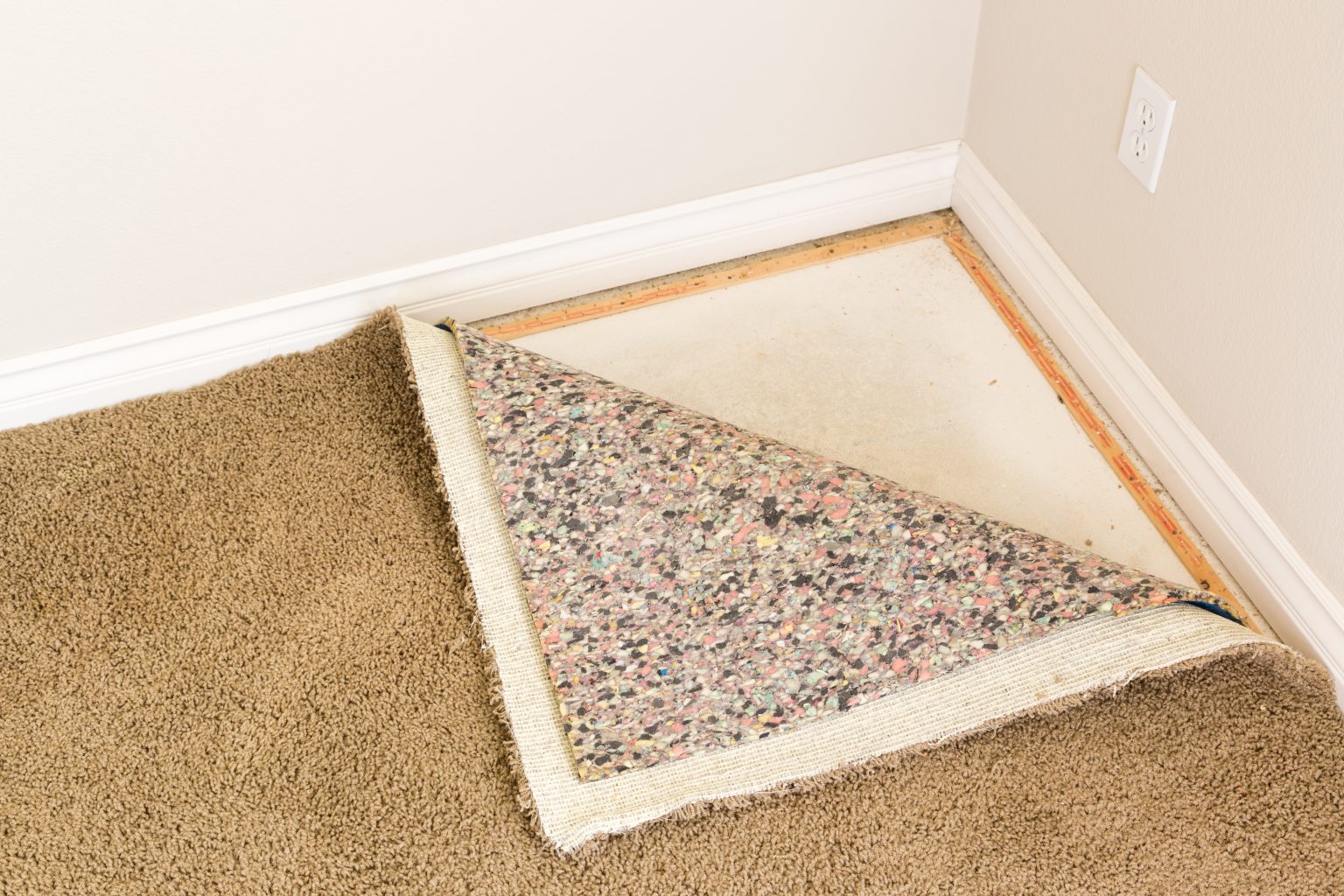
- Check edges and corners: Pull back the edge of the carpet in a closet to look for moisture or stains on the pad.
- Look for stains under daylight and a UV light: Pet spots glow under a blacklight.
- Feel for dampness: If the pad feels cool and damp, you may have a leak or slow drying.
- Inspect baseboards: Swollen or stained baseboards often point to hidden moisture.
- Check HVAC filters: Dirty filters can spread musty air through the home.
- Note when the smell gets worse: After rain, during showers, or when the AC is off can all be clues.
- Review cleaning history: If your carpet smells bad after recent DIY shampooing, overwetting or residue is likely.
How Professional Cleaning Removes Odors at the Source
Household sprays and powders only cover up smells. Professional carpet cleaning targets the source and removes it. At Marathon Carpet Cleaning, we use industry-leading equipment, the right cleaning products for each problem, and certified methods that protect your carpet and your health. Our approach includes pre-vacuuming with HEPA filtration to remove dry soils, targeted pre-treatments to break down grease, urine crystals, and sticky residues, hot water extraction with controlled moisture and strong suction that pulls contaminants from deep in the fibers, optional subsurface extraction for pet accidents that reached the pad, speed drying with air movers to stop bacteria and bring back a fresh feel, and post-treatment deodorizing that neutralizes odors rather than covering them with a scent. We can also clean tile, grout, vinyl, laminate, and hardwood floors, along with upholstery like couches, chairs, and mattresses. If your carpet smells bad and the odor is migrating to furniture, a combined cleaning plan helps restore the entire room.
Our Process at Marathon Carpet Cleaning
- On-site inspection: We listen to your concerns, identify odor hot spots, and test the fiber type.
- Moisture and UV checks: We scan for hidden moisture and use UV to locate urine or spill zones.
- Pre-vacuum: We remove dry soils so cleaning agents can work better.
- Custom pre-treatment: We apply targeted solutions for odors like urine, sour spills, or musty buildup.
- Agitation: We gently work the solution into fibers for even coverage.
- Hot water extraction: We rinse and extract with powerful equipment to remove soils and residues.
- Subsurface extraction if needed: For pet urine, we treat the pad and extract from below when possible.
- Speed drying: We set up air movers to shorten dry time and prevent odors from returning.
- Post-treatment and protection: We apply enzyme treatments or protectors as needed.
- Final walkthrough: We review results with you and explain aftercare tips.
When Replacement Is the Best Option
Most carpets with odor problems can be saved. Still, there are cases where replacement makes more sense. If the carpet and pad were flooded with contaminated water, if mold has spread into the subfloor, or if repeated pet accidents soaked the pad and subfloor over a long time, a new pad or carpet may be needed. Marathon Carpet Cleaning provides honest assessments and can coordinate with your contractor or restoration provider when replacement is the best path.
Prevent Carpet Odors Between Cleanings
- Vacuum two to three times per week in high traffic areas, using a HEPA filter.
- Adopt a no-shoes policy to limit dirt and oils from outside.
- Blot spills right away and use a small amount of clean water to rinse, then blot again.
- Use doormats at entrances and wash them often.
- Control humidity with a dehumidifier set between 40 and 50 percent.
- Groom carpet with a rake to lift matted fibers and improve airflow.
- Schedule professional cleaning every 12 to 18 months. With pets or kids, consider every 6 to 12 months.
- Train pets and use enzyme cleaners for accidents.
- Avoid over-wetting and heavy DIY soap use, which leaves residue.
- Maintain HVAC filters and clean vents to cut down on musty air.
Who We Serve
Marathon Carpet Cleaning is based in Racine, Wisconsin, with another location in Union Grove. We serve homes and businesses across southeast Wisconsin and northeast Illinois. Whether you need carpet cleaning, hard surface cleaning, or upholstery cleaning, our certified pros handle jobs of all sizes and stand behind the results with a 100 percent satisfaction guarantee.
- Wisconsin: Racine, Union Grove, Burlington, Waterford, Sturtevant, Mount Pleasant, Caledonia, Kenosha, and nearby communities
- Illinois: Antioch, Gurnee, Waukegan, and surrounding northeast Illinois areas
Our Full-Service Cleaning Options
Carpet Cleaning: We deep clean wall-to-wall carpet and area rugs in homes and commercial spaces to remove stains, odors, and allergens. Hard Surface Cleaning: We clean tile, grout, vinyl, laminate, and hardwood floors to remove grime and restore a fresh, safe surface. Upholstery Cleaning: We lift soil and odors from couches, loveseats, chairs, and mattresses. Commercial Cleaning Services: We build custom cleaning plans for offices, apartment communities, and other facilities, covering carpet, floors, and upholstery for a healthier, better looking workspace. If your carpet smells bad at your business, we can schedule service around your hours to reduce downtime.
Frequently Asked Questions
Why does my carpet smell worse after cleaning?
Over-wetting, slow drying, and leftover soap can cause odors to bloom after cleaning. When a carpet stays damp, bacteria can grow. Using too much detergent leaves residue that traps dirt and smells. Professional hot water extraction with strong suction and proper rinsing fixes the root problem. Marathon Carpet Cleaning controls moisture and speed dries your carpet to prevent odors from returning.
How long until the smell is gone after professional cleaning?
Light odors often clear the same day. Heavier issues, like deep pet urine, may improve right away but can need 24 to 48 hours as treatments keep working. We plan drying and airflow so your space smells fresh as fast as possible.
Can you remove old pet urine smells?
Yes, in most cases. We use a proven combination of enzyme and oxidizing treatments plus subsurface extraction. If the pad or subfloor is affected, we will explain options that may include pad replacement for a complete fix. Marathon Carpet Cleaning provides an on-site consultation so you know what to expect.
Is it safe to stay in my home during odor removal?
Yes for most projects. We use quality cleaning products, apply them correctly, and improve ventilation. If you have fragrance or chemical sensitivities, tell us during your consultation and we will tailor the plan to your needs.
When to Call a Professional
If your carpet smells bad and the odor returns after vacuuming, if you see recurring stains, or if humidity makes the smell worse, it is time to bring in a pro. Fast action reduces the chance of mold, protects your carpet, and helps your family breathe easier. Marathon Carpet Cleaning offers fast scheduling, clear pricing, and a friendly team that treats your home with care.
Get Help From Marathon Carpet Cleaning
If your carpet smells bad, do not just mask it. Find the cause and fix it for good. Marathon Carpet Cleaning serves Racine, Union Grove, and nearby southeast Wisconsin communities, as well as Antioch, Gurnee, Waukegan, and more in northeast Illinois. Our certified professionals use industry-leading equipment and quality cleaning products to restore carpets, floors, and upholstery and extend their lifespan. We handle residential and commercial projects, offer on-site consultations, and back every job with a 100 percent satisfaction guarantee. Reach out today to schedule your consultation and breathe easier tomorrow.